
Every retail store follows a lifecycle that begins long before the first customer walks through the door and continues well after opening day. Understanding this lifecycle helps business leaders make informed decisions that support efficiency, brand consistency, and long-term performance. A clear view of each phase allows retailers to reduce risk, manage costs, and respond to change with greater confidence.
Planning and Concept Development
The retail store lifecycle starts with planning. This phase defines the store’s purpose, target customer, and role within the broader brand strategy. Decisions about format, size, location type, and product mix are established early and shape every step that follows.
Market research plays a central role. Demographics, foot traffic patterns, and competitive presence influence site selection and store design priorities. Many brands rely on retail store planning experts during this stage to align operational needs with customer expectations and long-term growth goals.
Design and Pre-Construction
Once the concept is defined, design translates strategy into a physical environment. Layout, fixtures, lighting, and flow are planned to support both merchandising and customer movement. Operational needs such as storage, back-of-house access, and technology integration are addressed alongside visual presentation.
Pre-construction coordination ensures that timelines, budgets, and vendor responsibilities are clear. This phase also includes permitting and compliance with local building codes, accessibility standards, and safety requirements.
Build-Out and Installation
Construction brings the design to life. Contractors, suppliers, and internal teams work together to complete the build-out, install fixtures, and integrate systems such as point-of-sale, security, and inventory management.
Effective project oversight is critical here. Delays or cost overruns can affect opening schedules and marketing plans. Clear communication and progress tracking help maintain momentum and reduce surprises as the store approaches completion.
Opening and Early Operations
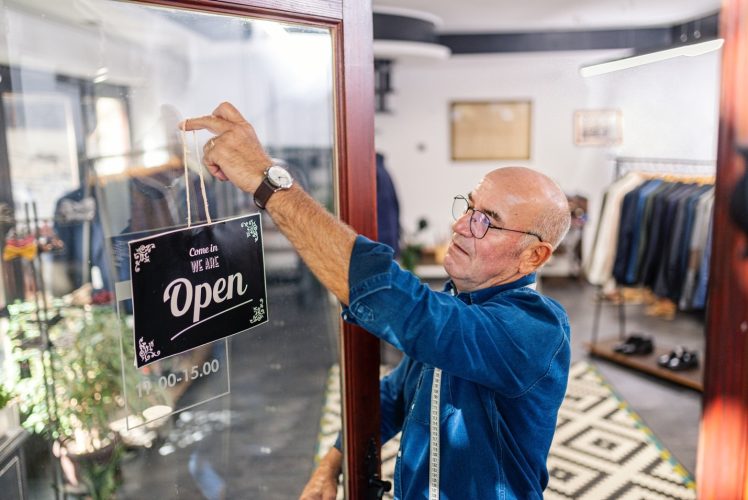
Opening day marks a major milestone, but it is only the beginning of operational performance. Early weeks focus on staff training, inventory flow, and customer response. Initial data on sales, traffic, and conversion rates provides insight into what is working and what needs adjustment.
Operational support during this phase helps address issues quickly. Adjusting staffing levels, refining product placement, or updating processes supports a smoother transition from launch to routine operation.
Performance Management and Optimization
After the store stabilizes, attention shifts to performance management. Ongoing analysis of sales trends, labor efficiency, and customer behavior informs decisions about promotions, assortment changes, and layout updates.
Stores also evolve as brands grow. Remodels, technology upgrades, and format changes may occur to reflect new strategies or market conditions. Continuous evaluation keeps stores relevant and competitive over time.
Renewal, Relocation, or Exit
Every retail location eventually reaches a decision point. Strong performers may be refreshed or expanded, while underperforming stores may be relocated or closed. These decisions rely on lifecycle data gathered from planning through daily operations.
Understanding when to reinvest and when to exit protects overall portfolio health and supports sustainable growth.
The retail store lifecycle connects strategy, execution, and performance into a continuous process. By recognizing each phase and its impact, business leaders gain better control over outcomes. Check out the infographic below for more information.
