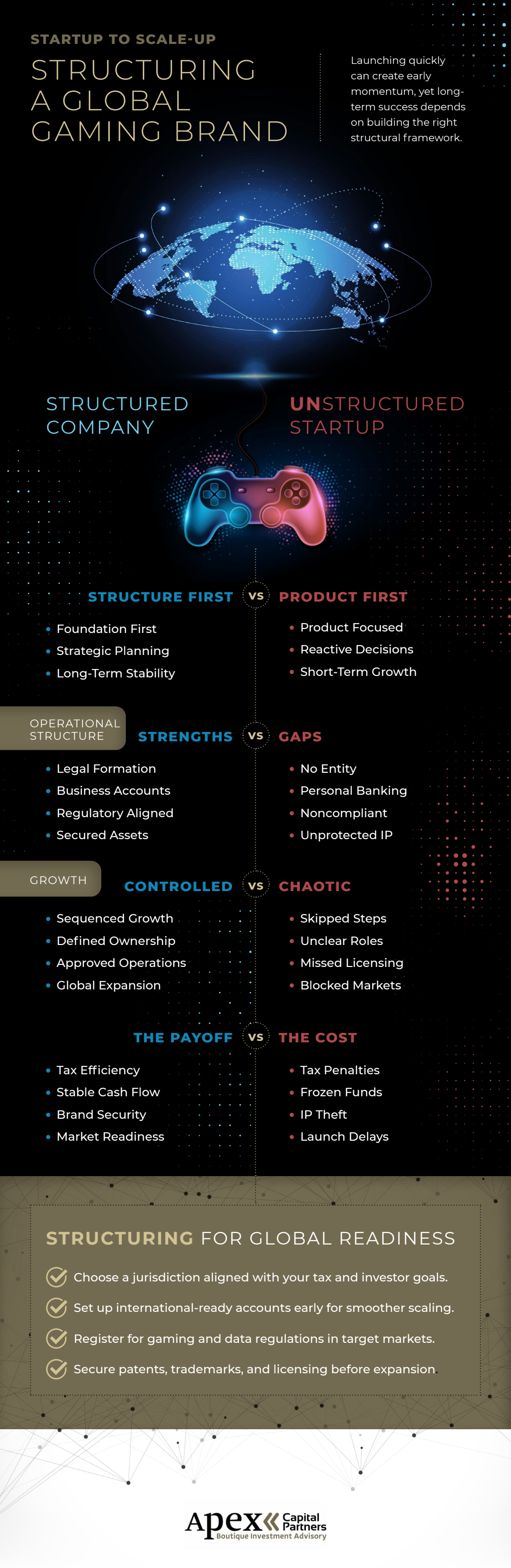
Building a global gaming brand requires more than creative concepts and engaging machines. Whether the product focuses on slot machines or broader digital offerings, success depends on careful structure. Gaming brands operate under strict regulations, intense competitive pressure, and rapidly evolving technology, making early planning critical for long-term viability.
Establishing the Core Business Framework
Early-stage gaming brands must clearly define their operating model. This includes determining whether the business focuses on hardware manufacturing, software development, platform licensing, or a combination of these approaches. Each path carries different regulatory, operational, and capital requirements.
Company structure also matters. Founders often separate intellectual property ownership from operating entities to protect assets and support future partnerships. Early legal and financial frameworks should anticipate expansion.
Regulatory Strategy and Market Entry
Gaming is one of the most regulated industries globally. Compliance requirements vary widely across jurisdictions, covering product standards, player protections, data security, and financial reporting. Brands planning international growth need a regulatory roadmap that identifies priority markets and approval timelines.
Securing an iGaming license is often a critical milestone for brands offering digital or connected gaming products. Licensing supports market entry, builds trust with partners, and signals compliance readiness to investors. Managing regulatory obligations centrally helps maintain consistency as new markets are added.
Product Development and Technology Infrastructure
Scalable technology underpins global growth. Gaming brands benefit from modular product design that allows customization for different markets without rebuilding core systems. Software platforms should support localization, currency handling, and compliance reporting from the start.
Hardware-focused brands face additional challenges related to manufacturing, supply chain coordination, and certification. Designing machines that meet multiple regulatory standards reduces time to market and lowers long-term production costs.
Brand Positioning and Partnerships
Global gaming brands succeed by balancing consistency with local relevance. Core brand identity should remain stable while allowing regional adaptation in themes, language, and player experience. Clear brand guidelines help partners present products accurately across markets.
Strategic partnerships accelerate scale. Collaborations with casino operators, distributors, and technology providers extend reach without requiring full internal expansion. Well-defined partner agreements protect brand integrity and operational control.
Financial Planning for Scale
Scaling a gaming brand requires disciplined financial planning. Growth introduces new costs related to compliance, support, marketing, and infrastructure. Cash flow forecasting helps leaders understand how market expansion affects capital needs.
Revenue models should support sustainability. Recurring licensing fees, service agreements, or revenue-sharing structures often provide greater stability than one-time sales. Transparent reporting supports investor confidence as the business grows.
Governance and Risk Management
As operations expand, governance structures must evolve. Clear decision-making authority, compliance oversight, and risk assessment processes help prevent operational drift. Regular audits and performance reviews identify issues early.
Risk management also includes data security and responsible gaming practices. Strong policies protect both players and the brand’s reputation.
Structuring a global gaming brand is a long-term effort that blends creativity with discipline. Brands that build with expansion in mind position themselves to compete confidently across global gaming markets while maintaining compliance and operational clarity. Look over the infographic below to learn more.