
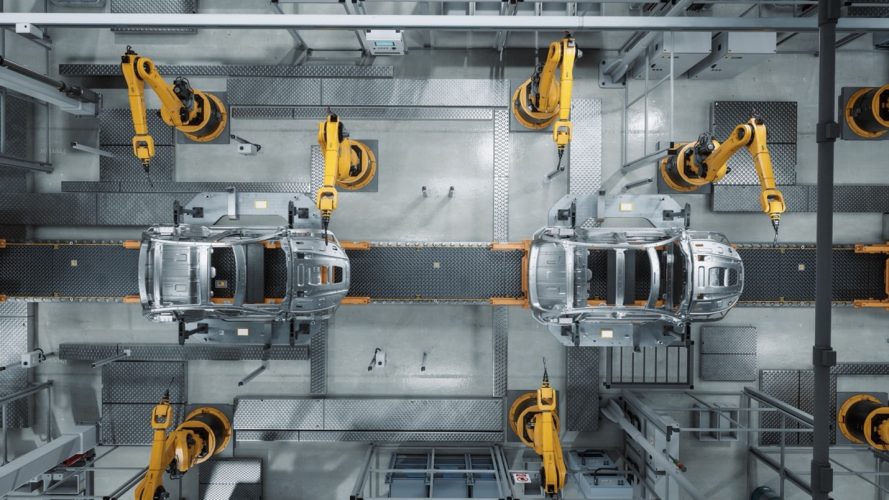
Oversized parts introduce unique challenges across manufacturing and logistics operations. Their weight, dimensions, and handling requirements make traditional workflows less effective. When movement slows, production schedules slip, and costs rise. Keeping large components moving efficiently requires coordination across facilities, equipment, and teams from start to finish.
Planning Movement Before Production Begins
Movement challenges often begin during the planning stage. Oversized parts require clear pathways, adequate floor space, and compatible handling equipment. Without early coordination, parts may reach a production stage only to stall due to blocked aisles or unavailable lifting tools.
Production planning should account for how parts will move between workstations, not just how they will be processed. Layout decisions, staging areas, and traffic flow play a critical role in preventing bottlenecks later in the process.
Equipment That Matches the Load
Standard forklifts and carts often fall short when dealing with oversized parts. Specialized equipment such as heavy-duty lift trucks, cranes, and custom transport fixtures reduces strain on workers and improves control during movement.
Equipment selection must align with both weight and geometry. Poor fit increases the risk of damage, rework, and safety incidents. Regular inspections and maintenance keep equipment reliable and ready when large components need to move.
Facility Layout and Space Management
Facilities built for smaller products may struggle to accommodate oversized parts. Narrow aisles, low doorways, and limited staging areas slow movement and force inefficient workarounds. Reconfiguring layouts improves flow, but changes must balance production needs with safety.
Clear visual markings help define transport routes and temporary storage zones. When space is clearly allocated, teams spend less time clearing paths and more time moving parts forward.
Coordinating Quality Checks Without Delays
Large parts often require multiple inspections throughout production. Quality checks can become choke points if not properly planned. Testing areas must be accessible and sized appropriately for the components being evaluated.
For example, powder coating quality testing may require controlled conditions and sufficient clearance for inspection tools. Positioning these checks close to related process steps reduces unnecessary transport and handling.
Cross-Team Communication
Oversized part movement depends on timing. When production, quality, and logistics teams operate in isolation, delays multiply. Clear communication ensures that equipment, personnel, and space are available when needed.
Shift handoffs are especially important. Incomplete information about part location or status leads to searching, repositioning, and wasted time. Standardized reporting keeps everyone aligned.
Safety as a Movement Enabler
Safety practices support efficiency rather than slow it down. Proper training, clear procedures, and designated spotters reduce hesitation during transport. When workers feel confident moving large components, operations proceed smoothly.
Unsafe conditions lead to stoppages, investigations, and lost time. Preventing incidents keeps parts moving and protects both people and schedules.
Keeping oversized parts moving requires planning beyond individual workstations. Equipment, layout, communication, and quality processes must work together. When movement is treated as a core operation rather than an afterthought, large components flow through production with fewer interruptions. Consistent attention to these factors helps manufacturers maintain pace and meet delivery expectations. Look over the infographic below to learn more.
