
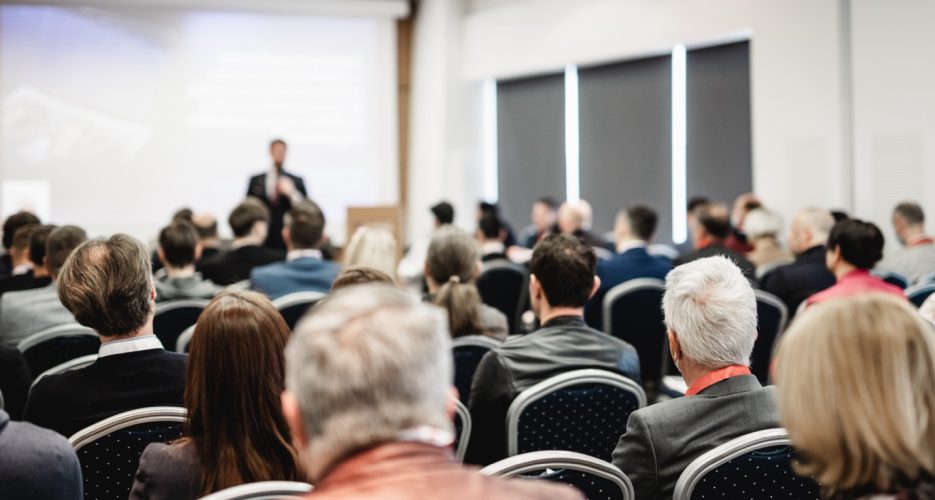
Large gatherings bring energy, opportunity, and complexity. Whether the setting is a conference, festival, or community celebration, crowd flow shapes safety, satisfaction, and overall success. Poor movement design leads to bottlenecks, frustration, and risk. Thoughtful planning keeps people moving comfortably while protecting both attendees and organizers.
Why Crowd Flow Matters More Than Ever
Modern events often attract larger, more diverse audiences than in the past. Attendees arrive with different mobility needs, expectations, and schedules. When crowd flow is ignored, congestion builds quickly at entrances, restrooms, food areas, and exits.
Efficient movement supports emergency readiness, reduces staff strain, and improves the attendee experience. From a business perspective, smoother flow also increases dwell time in key areas and helps vendors and exhibitors perform better.
Designing Entry and Exit Points
The first and last impressions of an event are shaped by how people enter and leave. Entry points should be clearly marked, evenly distributed, and sized to handle peak arrival times. Ticket scanning, security checks, and bag inspections must be arranged in a way that prevents backups from spilling into public spaces.
Exit planning deserves equal attention. Clear routes, visible signage, and unobstructed paths allow crowds to disperse quickly and calmly. Events with staged departures, such as concerts or services, benefit from staggered dismissal strategies that reduce pressure on a single exit.
Zoning and Pathway Planning
Dividing an event space into zones helps control movement. Food areas, seating, exhibits, and restrooms should be positioned to spread traffic rather than concentrate it. Wide primary pathways support high-volume movement, while secondary paths guide people to specific destinations.
Temporary barriers, floor markings, and directional signage reinforce these routes. Visual cues are especially effective in unfamiliar spaces, helping attendees make decisions without stopping or asking for help.
The Role of Visual Communication
Clear communication reduces hesitation, which is a major cause of congestion. Signage should be readable from a distance and consistent in style. Colors, icons, and simple language guide people efficiently.
Event branding can also support navigation. For example, seasonal or themed displays like Easter banners for church events can serve a dual purpose by reinforcing identity while marking key gathering points or directions.
Staffing and Real-Time Monitoring
Even the best plans require human oversight. Trained staff positioned at high-traffic areas can redirect flow, answer questions, and intervene before issues escalate. Staff should understand the layout well enough to offer quick guidance.
Real-time monitoring through cameras, foot traffic counters, or mobile reporting allows organizers to spot developing problems. Adjustments such as opening additional pathways or redirecting lines can be made before congestion becomes disruptive.
Accessibility and Inclusive Movement
Crowd flow planning must account for attendees with disabilities, strollers, or limited mobility. Accessible routes should mirror main pathways rather than forcing long detours. Seating, rest areas, and quiet zones help reduce fatigue and stress for those who need breaks from dense crowds.
Crowd flow is not just a logistics issue. It reflects how much an event values safety, comfort, and respect for its audience. Look over the infographic below to learn more.
