
Cleanliness is central to any successful restaurant operation, yet some of the most heavily used surfaces hide bacteria that can spread quickly if not addressed. High traffic, constant handling, and frequent exposure to food residues create ideal conditions for microbial growth. Identifying these problem areas helps restaurants strengthen safety practices.
Door Handles, Menus, and Host Stations
Front-of-house surfaces often receive less attention than food preparation areas, yet they are among the most frequently touched. Door handles accumulate germs throughout the day. Menus, especially laminated or reusable ones, collect oils, spills, and bacteria with every hand that touches them. Host stations experience similar exposure as staff handle seating lists, screens, and order slips.
Frequent wiping with food-safe sanitizers, replacement of paper menus, and hand hygiene protocols help reduce contamination. Simple routines such as cleaning these areas between seatings or at set intervals throughout the shift provide meaningful protection.
Dining Tables, Chairs, and Condiment Holders
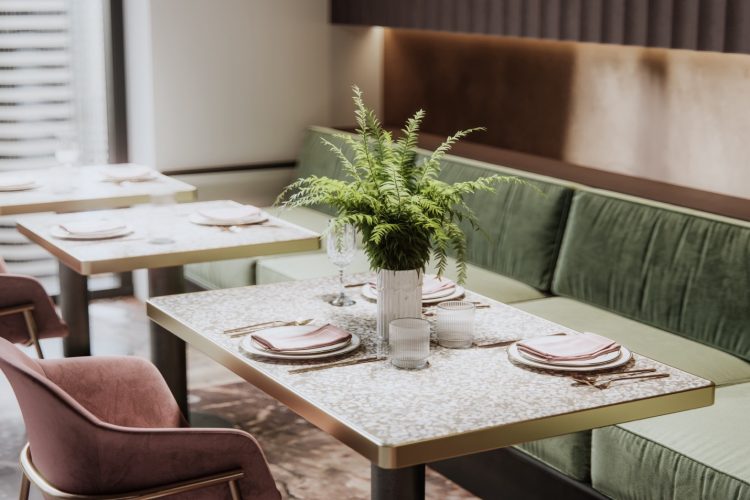
Dining areas see rapid turnover, which increases the potential for germs to spread before staff can fully disinfect each surface. Tables and chair backs collect residues from food, drinks, and guests’ hands. Condiment holders can harbor bacteria on lids, sides, and bases.
A structured cleaning process that includes attention to lesser-cleaned items like saltshakers or sauce bottles supports a safer guest experience. Encouraging staff to use fresh cloths or disposable sanitizing wipes for each table helps prevent cross-contamination.
Kitchen Prep Surfaces and Small Tools
Back-of-house areas naturally face greater food safety risks. Cutting boards, knives, and prep counters often contact raw ingredients that can harbor harmful bacteria. When these tools are not cleaned thoroughly, cross-contamination becomes a concern. Even surfaces that appear clean may hold hidden residue in grooves or crevices.
Color-coded tools, separate prep areas for raw and cooked foods, and adherence to strict sanitation routines help control bacterial spread. Deep cleaning cycles ensure that small tools receive thorough attention at the end of each shift.
Sinks, Dishwasher Areas, and Cleaning Tools
Ironically, the places meant for cleaning can become hotspots of contamination when not properly maintained. Sinks accumulate biofilm, food particles, and residue that require regular scrubbing. Dishwasher handles, buttons, and racks experience constant handling while exposed to moisture that supports bacterial growth.
Even cleaning tools such as sponges, cloths, and brushes can spread germs if they are not sanitized frequently. Many restaurants use systems such as a soak tank to deep clean heavily used kitchen items, ensuring that grease and grime do not accumulate over time.
POS Systems and Staff Touchpoints
Point-of-sale screens, printer buttons, and handheld ordering devices experience frequent contact in fast-paced environments. These surfaces often fall outside traditional cleaning routines because they are electronic or visually clean. Yet they collect bacteria throughout the day.
Restaurants thrive when guests feel confident that their dining environment is clean and well managed. By paying close attention to high-touch and hidden germ zones, businesses can implement stronger sanitation strategies, protect food safety, and create a more welcoming experience for every customer. Look over the infographic below to learn more.
